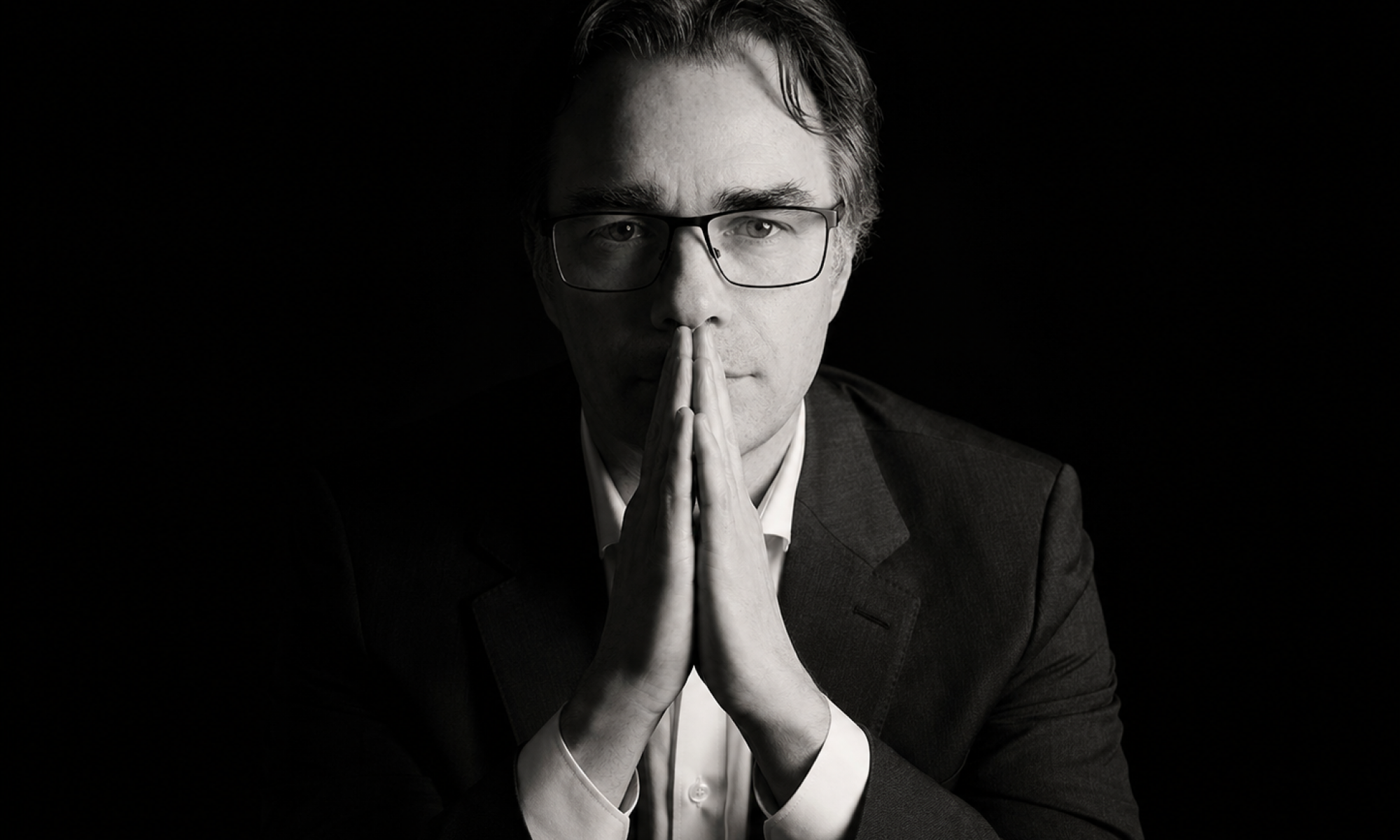
The pressure that rides the track
When the gates swing open, the world condenses into a single heartbeat. Look: the jockey’s mind is a steel trap, snapping onto every footfall, every gust that tries to sway the horse. The problem? Too many riders treat Lingfield like a casual Sunday outing, forgetting that the turf’s subtle undulations can flip a winning ride into a tumble.
Inside the saddle: a candid conversation
“Speed is a lie if you don’t own the ground,” the jockey snarls, his voice cutting through the stables’ clamor. By the way, his career spans over a decade, three Group wins, and a reputation for turning modest mounts into dark horses. He doesn’t sugarcoat. “If you’re not reading the track like a novel, you’ll be the footnote,” he adds, eyes scanning the paddock.
Horse‑track chemistry
He explains the magic: “Lingfield’s left‑hand bend is a whisper, not a roar. You feel it in the horse’s stride, a subtle pull that tells you when to lean in or back off.” Those who ignore that nuance end up with bruised reins and bruised egos. He tosses a grin, then drops a truth bomb. “Most riders think a fast start wins the race; I think a smart start wins the race.”
Training drills that stick
Forget endless gallops. The jockey swears by “gate drills”: short bursts from the stalls, then immediate halts, forcing the horse to respect the rider’s command. “It’s like teaching a kid to stop at a red light,” he jokes, but the seriousness is palpable. He drills the horse to respond to slight pressure changes, a skill that pays dividends when the course tilts under the rain.
What the data says
Scrolling through horseresultslingfield.com reveals a pattern: horses that break well but sit back on the final furlong often belong to riders who respect the track’s “kiss of the ground.” The jockey points to a graph where a 0.5‑second advantage at the 600‑meter mark correlates with a 30% boost in win probability. “Numbers don’t lie,” he says. “They scream.”
Racing mindset on race day
Here is the deal: mental preparation starts before the sun kisses the horizon. He visualizes the race in slow motion, replaying every turn, every possible scenario. “If you can see the finish line in your mind, the horse can feel it in its bones.” He refuses to look at odds until after the warm‑up, a habit that shields him from the noise of the bookmakers.
Final word of razor‑sharp advice
Next race day, study the gate positions and adjust your betting sheet.